
Can a Massage Chair Replace a Professional Massage?
In recent years, massage chairs have gained significant popularity as a convenient and accessible way to experience the benefits of massage therapy at home. These sophisticated devices are equipped with various features such as kneading rollers, heat therapy, and vibration settings designed to mimic the techniques used by professional masseurs. However, despite their advanced technology and growing appeal, the question remains: can a massage chair truly replace a professional massage?
Massage chairs offer several advantages that make them an attractive alternative for many people. They provide consistent pressure and repetitive motions that can help relieve muscle tension, improve blood circulation, and promote relaxation. The convenience factor cannot be overstated; users can enjoy a massage anytime without scheduling appointments or traveling to a spa or clinic. Additionally, for individuals who may feel uncomfortable with human touch or have limited access to professional services due to location or cost constraints, these chairs present an accessible option.
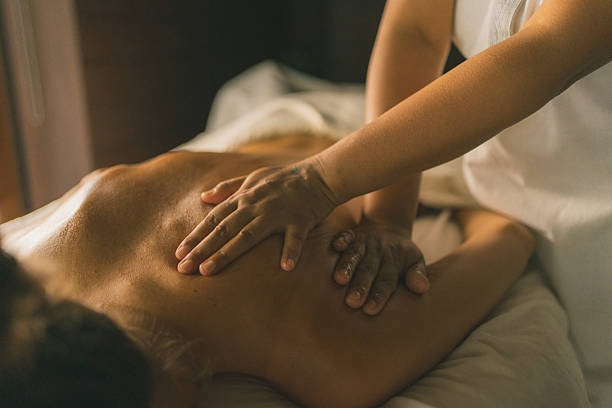
Despite these benefits, there are inherent limitations in what a massage chair reviews can achieve compared to a skilled human therapist. Professional massages involve personalized techniques tailored specifically to an individual’s body type, muscle condition, and health needs. A trained therapist uses intuition and tactile feedback to identify problem areas such as knots or trigger points that require focused attention-something machines cannot replicate effectively. Furthermore, therapists incorporate various modalities like deep tissue work, myofascial release, stretching assistance, and adjustments based on real-time responses from clients.
Another important aspect is the therapeutic relationship between client and therapist which contributes significantly to overall well-being during sessions. Human interaction fosters trust and emotional comfort that enhances relaxation beyond physical relief alone-a dimension absent in mechanical devices.
Safety considerations also come into play when comparing both options. While most modern massage chairs are designed with safety features suitable for general use by healthy individuals, they may not be appropriate for those with certain medical conditions such as severe osteoporosis or circulatory disorders without prior consultation from healthcare professionals.
In conclusion, while massage chairs serve as useful tools for regular maintenance of muscle relaxation and stress reduction at home-offering convenience and affordability-they do not fully replace the nuanced expertise provided by professional massages. For targeted therapeutic interventions addressing specific health concerns or injuries requiring adaptive techniques guided by expert judgment-and for those seeking holistic healing experiences involving personal connection-a session with a qualified human therapist remains irreplaceable. Therefore, integrating both options according to one’s needs might deliver optimal results rather than relying solely on either method alone.